A practice that teaches writing shows its own.
Fiction, criticism and essays. A creative reference for the work itself — and an indication of the literary sensibility Argo students are invited to develop.
I keep this journal for two reasons.
A practice that teaches writing shows its own. Everything sitting here is evidence that the sensibility I bring to a student’s page is one I work at on my own. Each piece treats the written word as a terrain of creative discovery.
Writing is meaning-making. Putting things down on paper requires classifying what’s circling then rationalising what stays. This steady foundation allows complex questions to be unpicked, and asks: “Is this true, and if so, what follows?”
 FictionFour Square (Or: Handball, a Microfiction)
A microfiction: the last week of grade six, a four square court, a fresh Spalding, and the small hierarchies a primary school playground settles in an afternoon.
Field NotesThe Test Got Smarter. Nobody Was Given the Job of Noticing.
Between 2016 and 2022 NAPLAN moved onto a screen. The data it produces is finer than it has ever been — and further than ever from the classroom.
Field NotesA Stranded Constructivism
A course built on the idea that learners already hold their own answers, delivered as settled doctrine. What that contradiction taught me about my own teaching.
Field NotesShould My Year 10 Start Tutoring Before Year 11 Begins?
Most Year 10 students should not start English tutoring over the summer. What the evidence says about the Year 10 to VCE transition, and who should.
- Is My Year 12's VCE English Mark Actually Behind?
A single SAC mark is not a study score. How VCE English weighting and statistical moderation actually work, and what a dropped mark really tells you.
Field NotesWhen to Start English Tutoring: Year 7 Through Year 12
Year by year from 7 to 12: when English tutoring helps, when it does not, and what the evidence says tuition can actually change.
 FictionCarbonless
A short story. Two old men in a care home, a folder of carbon-copied letters, and a father's last words to a daughter — sent, or not, by another hand.
 Film reviewLast Stop in Yuma County
A review of Francis Galluppi's feature debut: a dried-up gas-station diner, rhubarb pie, and a tightly plotted period western thriller.
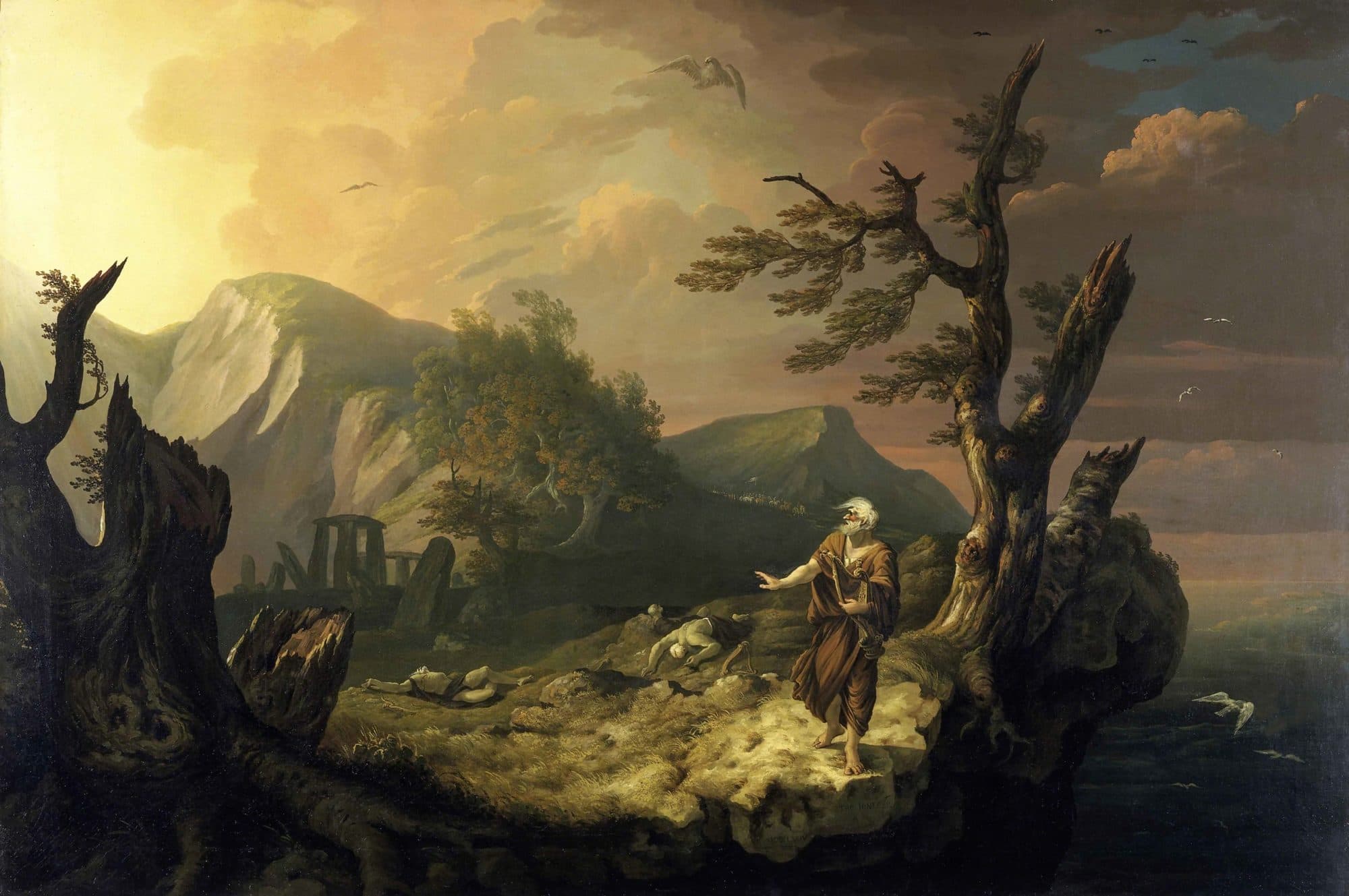 Film reviewThe Hobbit: An Unexpected Journey
Revisiting Peter Jackson's first Hobbit instalment after a reread: magic lost in the act, tension choked by blank ticker tape.
Peter Carey’s True History of the Kelly Gang (2001). Starting this Australian recipient of the Booker Prize and taken in by the vernacular Carey builds from the Jerilderie Letter, 1879 — wonderfully evocative historical fiction.
(Year 9) Argument analysis on the social media minimum age ban. As students are core stakeholders, this topic — especially of inferred authorial tone — offers a clear compass to the operation of rhetorical technique.
A forthcoming NAPLAN essay. It considers the efficacy of NAPLAN in assessing national curriculum, and how formal and stylistic criteria might predispose teaching.